Stokes v. Centre Walk: Condominium Slip and Fall Defense
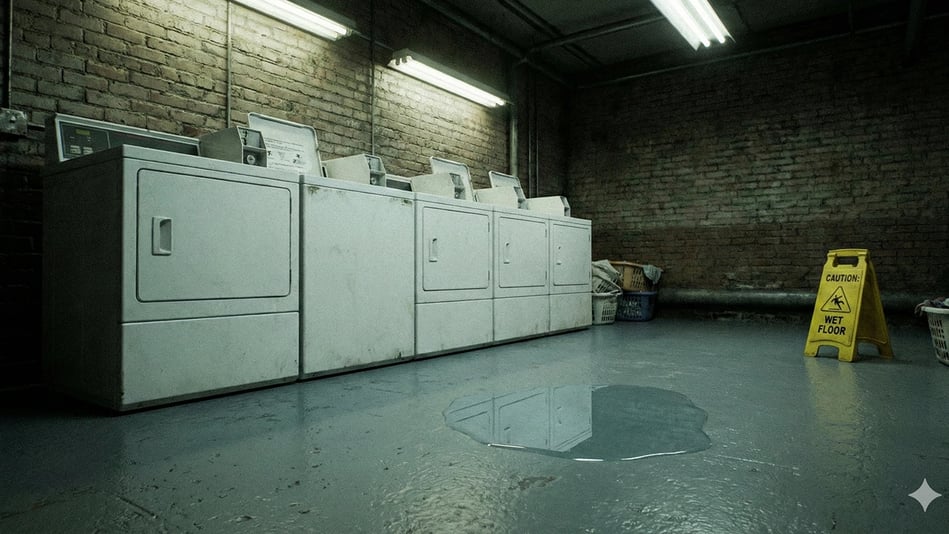
Table of Contents
Case Background
Susan Stokes had lived as a tenant at the Centre Walk Condominiums in Milford, Connecticut, before a routine trip to the building’s laundry room changed her life. On the afternoon of December 23, 2017, she walked into the communal laundry area at 146 High Street. As she moved across the room, she suddenly slipped and fell on a patch of water that had pooled on the floor. Stokes later argued that the condominium association had failed in its basic duty to keep the shared spaces safe for residents. She claimed the facility had neglected its maintenance responsibilities for years, leading to the dangerous condition that caused her fall. In July 2019, she filed a formal lawsuit in the Superior Court for the Judicial District of Ansonia/Milford to hold the association accountable for her mounting medical bills and physical suffering.
Cause
The lawsuit originated from the accumulation of water on the laundry room floor, which Stokes identified as a clear hazard. She alleged that the Centre Walk Condominium Association had permitted a dangerous environment to exist by failing to repair leaking washing machines, broken water pipes, or faulty drainage systems. She further argued that the association had used slick paint on the floor instead of a slip-resistant coating and had failed to provide rubber mats to protect residents.
Injury
Stokes suffered a long list of painful injuries because of the impact. Doctors diagnosed her with a fracture in her left wrist and a loss of joint space in her right knee. The fall also caused cervical radiculopathy a pinched nerve in the neck along with sprains in both wrists, her right shoulder, and her left ankle. Beyond these physical diagnoses, she reported chronic headaches and significant emotional distress that severely diminished her overall quality of life.
Damages Sought
In her initial legal demand, Stokes sought financial compensation for her extensive medical expenses. She had already paid for hospital care, physical therapy, and diagnostic x-rays, and she expected to face more bills in the future. While she did not list a specific final dollar amount in the complaint, she stated that her demand exceeded $15,000, covering both her economic losses and her ongoing physical and mental pain.
Key Arguments and Proceedings
The trial focused on whether the association knew or should have known about the water on the floor before Stokes fell. The legal teams debated whether the water was a sudden spill or a long-standing maintenance failure.
Legal Representation
Plaintiff(s): Susan Stokes
· Counsel for Plaintiff(s): Edmund Q. Collier
· Experts for Plaintiff(s): Thomas Moran | Richard Bernstein | Kristen Heon
Defendant(s): Centre Walk Condominium Association, Inc.
· Counsel for Defendant(s): Miles N. Esty
Key Arguments or Remarks by Counsel
Edmund Collier, representing Stokes, argued that the association had been careless in its supervision of the laundry area. He contended that the building management had failed to perform reasonable inspections that would have revealed the leaks. Collier emphasized that the association had a legal duty to warn tenants about dangerous areas, yet it had posted no signs and provided no warnings on the day of the accident.
Miles Esty, defending the association, countered that Stokes had essentially caused her own injuries. He argued that she had failed to keep a proper lookout while walking and had not exercised reasonable care for her own safety. The defense maintained that the alleged defect was something Stokes should have observed and avoided through basic caution.
Claims
The primary legal claim against the association was negligence. Stokes argued that the Defendant had failed to exercise ordinary care in maintaining the premises.
Defense
The association utilized a "Special Defense" known as contributory negligence. They claimed that even if a hazard existed, Stokes was legally responsible for the fall because she did not pay enough attention to her surroundings. They denied that the washing machines or pipes were in a state of disrepair as Stokes had claimed.
Jury Verdict
After hearing the evidence on 7th January 2026, the jury deliberated on the specific details of the accident at 146 High Street. The Court provided the jurors with a set of specific questions to guide their decision.
The jury ultimately decided in favor of the Defendant, Centre Walk Condominium Association, Inc. In their formal verdict, the jurors found that the association was not liable for the injuries Susan Stokes had suffered. While the case had moved through the legal system for over six years, the jury’s final determination meant that Stokes would receive no financial award from the association. The Foreperson signed the verdict on January 7, 2026, officially closing the case in favor of the defense.