San Francisco Pays $100K in Premises Liability Settlement
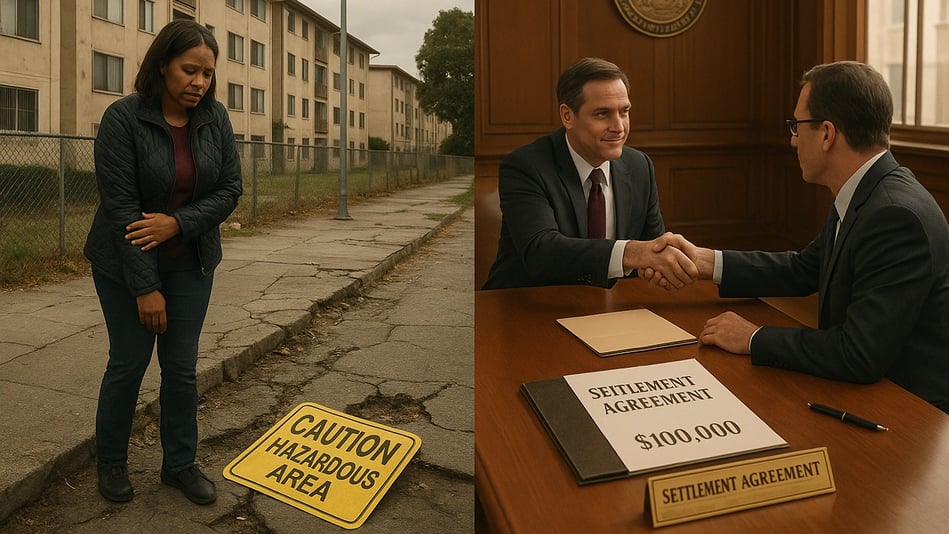
Table of Contents
Case Background
Plaintiff Sherrell Whitfield initiated a lawsuit against the City and County of San Francisco and the San Francisco Housing Authority on February 16, 2022. The filing detailed an incident that had occurred on public property under the Defendants’ control. The case entered the Court's Unlimited Civil Jurisdiction, which signaled that the Plaintiff sought substantial financial compensation for the harm she endured.
The core of the dispute centered on the maintenance and safety of public premises. Whitfield’s complaint claimed that the municipal entities had failed in their duty to properly manage and secure the property, leading directly to the incident that resulted in her injuries and losses. The Defendants, represented by the City Attorney’s Office, officially denied all allegations of wrongdoing in their formal answer to the complaint, setting the stage for litigation.
Cause
The legal basis for the lawsuit was Premises Liability. This category of claim holds property owners or controllers responsible for injuries sustained by others on their premises due to unsafe or dangerous conditions. Whitfield alleged the public property involved was, in fact, dangerous and that the City and the Housing Authority were aware of the hazard.
Injury
The Plaintiff sought recovery for both Personal Injury and Property Damage. The nature of the injuries was not detailed in the public filings but was significant enough to push the case into the highest financial category of the civil Court system. This implied that the costs associated with the physical harm, medical treatment, and other losses exceeded the lower jurisdictional limits.
Damages Sought
Whitfield pursued a significant sum in Damages Sought, reflecting compensation for various losses. This included, but was not limited to, medical costs incurred for treatment, lost income from missed workdays, and compensation for the pain and suffering she experienced. By filing in Unlimited Jurisdiction, the Plaintiff signaled that the total damages were estimated to be over twenty-five thousand dollars.
Key Arguments and Proceedings
The formal legal exchange began when Whitfield filed her complaint. The City and County of San Francisco and the San Francisco Housing Authority responded quickly with an official denial of all allegations. This move immediately put all facts in dispute, requiring both sides to begin the costly and time-consuming process of investigation and discovery. The parties spent several months exchanging documents, conducting depositions, and preparing evidence to either prove the City's negligence or defend its actions under California's complex governmental immunity laws.
Legal Representation
Plaintiff(s): Sherrell Whitfield
· Counsel for Plaintiff(s): John P. Strouss III
Defendant(s): City and County of San Francisco | San Francisco Housing Authority
· Counsel for Defendant(s): David Chiu | Meredith B. Osborn | David A. Delbon | Steven F. Egler | Shelby Kennick | Mark L Dawson | Colin Hamish Jewell
Key Arguments or Remarks by Counsel
The core dispute revolved around the City’s legal responsibility for the site of the incident.
Claims
The Plaintiff’s attorneys focused their arguments on the central tenet of Dangerous Condition of Public Property. Whitfield’s legal team argued that the City and the Housing Authority either actively created the unsafe condition or, crucially, knew about its existence long enough to have fixed it but failed to act. They specifically asserted that the city had actual or constructive notice of the danger, meaning they either had direct knowledge or should have known through reasonable inspection. They also pressed the claim that the Defendants were responsible for the negligence of their own employees who had maintained the property.
Defense
Attorneys for the municipal Defendants mounted a vigorous Defense. They categorically denied all claims of negligence, asserting that their clients had not acted carelessly and therefore owed the Plaintiff no compensation. A key component of the defense strategy was the use of statutory immunities special legal protections that California law grants to government entities, which often limit or eliminate liability for certain incidents on public land. The defense also likely argued that the Plaintiff shared some level of fault in the incident (comparative negligence) or failed to minimize her damages after the fact.
Settlement
Rather than proceeding to a long and unpredictable jury trial, which would have required both sides to present their full case in open Court, the parties elected to resolve the matter through a Settlement. On March 12, 2025, the Plaintiff’s counsel filed a Notice of Settlement of Entire Case, officially informing the Court that Whitfield and the municipal Defendants had reached a full agreement to conclude the litigation.
The terms of the agreement finalized the City and County of San Francisco and the San Francisco Housing Authority’s financial obligation to the Plaintiff. The Defendants agreed to pay Sherrell Whitfield the sum of $100,000 to resolve all claims related to the incident, including personal injury and property damage. This negotiated payment allowed the municipal entities to avoid the expense and risk of a full trial, while the Plaintiff received a definite financial recovery without further delay. The filing of the settlement notice required the Plaintiff to formally dismiss the entire case within forty-five days, bringing the matter to a final conclusion.